Professor Colin Kleanthous FRS FMedSci
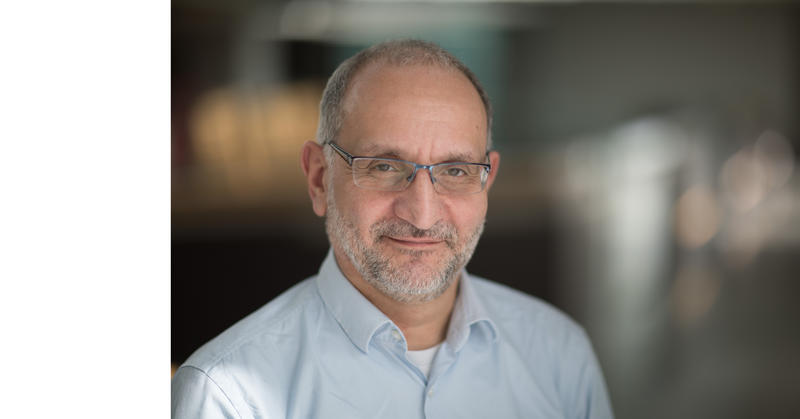
We are deeply saddened to announce the death of Professor Colin Kleanthous FRS FMedSci, Iveagh Professor of Microbial Biochemistry at the University of Oxford and Fellow of Linacre College. Colin was an internationally renowned scientist whose pioneering research made fundamental contributions to our understanding of bacterial cell biology, particularly the organisation of the bacterial outer membrane and the molecular mechanisms underlying competition between bacteria.
Colin obtained his BSc and PhD from the University of Leicester and began his independent academic career at the University of East Anglia in 1991. He moved to the University of York in 2002 and was appointed Iveagh Professor of Microbial Biochemistry at Oxford in 2012.
Over a distinguished research career spanning more than three decades, Colin combined biochemistry, structural biology and biophysics to uncover the molecular mechanisms by which bacteriocins, naturally occurring protein antibiotics, enter and kill bacterial cells. His work also challenged established understanding of the organisation of the outer membrane of Gram-negative bacteria, revealing fundamental principles governing the structure and maintenance of this essential protective barrier. These discoveries have had far-reaching implications for bacterial cell biology and the development of new approaches to tackling antibiotic resistance, including through the establishment of the spin-out company Glox Therapeutics.
Colin's exceptional contributions to science were recognised through numerous honours and leadership roles. He chaired the Biochemical Society from 2011 to 2013, was elected to the European Molecular Biology Organization (EMBO) in 2018, became a Fellow of the Academy of Medical Sciences in 2022 and was elected a Fellow of the Royal Society in 2026.
Beyond his scientific achievements, Colin was a highly respected colleague, collaborator and mentor. Known for his intellectual curiosity, rigorous approach to scientific questions and commitment to understanding molecular mechanisms, he inspired and challenged generations of researchers. He was also held in great affection by colleagues and former students across the international scientific community.
That affection was particularly evident at a symposium held in his honour in April 2025, when friends, colleagues and former students gathered from around the world to celebrate his scientific achievements and personal influence. Reflecting on the occasion, Colin described being overwhelmed by the “tidal wave of affection” he felt from those present.
Colin leaves an exceptional scientific legacy and a lasting influence on the many people whose careers and lives he helped shape. He will be greatly missed by his colleagues and friends at Oxford and across the wider scientific community.
Professor Francis Barr, Head of the Department of Biochemistry

