Our research focuses on understanding how globally important human pathogens interact with host cells and cause disease, and how our immune systems protect us from infectious diseases and cancer. We study infectious organisms and immune mechanisms at a range of scales, from detailed molecular insight through to global views of immune mechanisms. We use these insights to design new vaccines and therapeutics.
How do pathogens, such as bacteria, viruses and parasites replicate and survive within our bodies? How do they interact with host cells and cause the symptoms of disease? How do they manipulate the functions of our immune system? How does our immune system protect us from illness and what happens when it goes wrong? How can we provide a helping hand through vaccination? Research groups in the Infection and Immunity team are fascinated by these questions and are providing important new insights into some of the world’s most deadly disease, including malaria, HIV and coronaviruses, as well as revealing how our immune system goes wrong in disease.
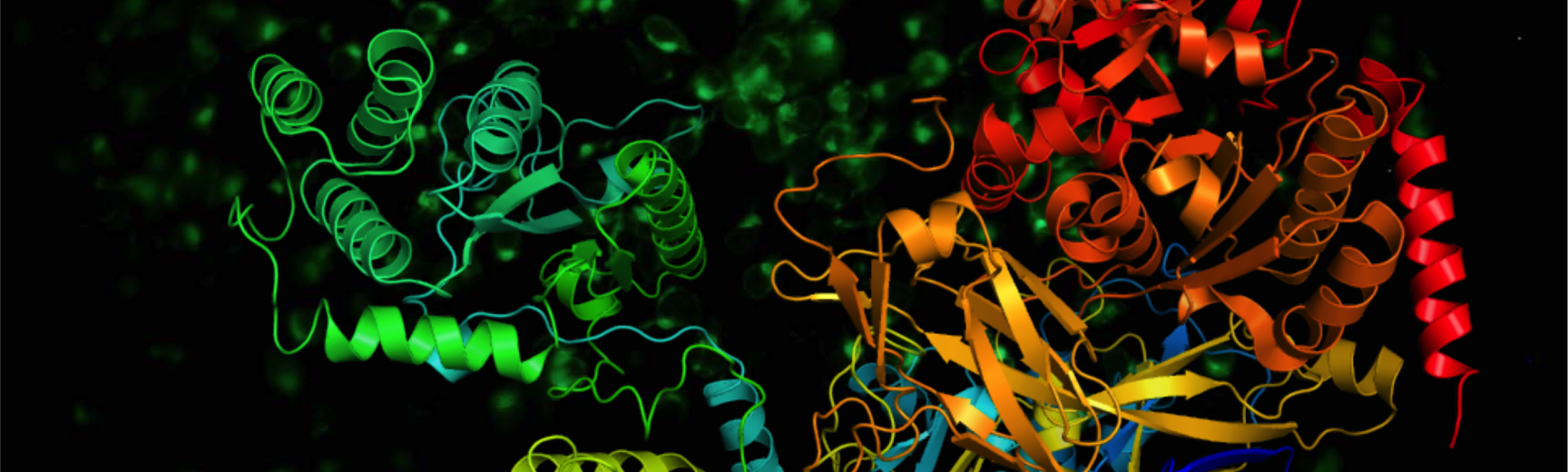
We use a range of cutting-edge biochemical and structural methods to understand pathological processes from exquisite molecular detail through to a global view of immune cell and mechanisms. This shows us how malaria parasites get inside red blood cells. It reveals how bacteria respond to antibiotics. It reveals how viruses bind to their human receptors and how our antibodies can stop them. It shows us what goes wrong in immune disease or inflammation. Our research also allows us to contribute to therapeutic development, whether using rational protein design to make the best possible vaccines or developing antibody treatments.